📋 Quick Facts: Shrink Film Explained
- Shrink film is defined by polymer type, thickness (micron) and shrink ratio.
- LDPE is the workhorse for industrial bundling and pallet covers.
- Thickness (micron) is set by load weight and shrink demand.
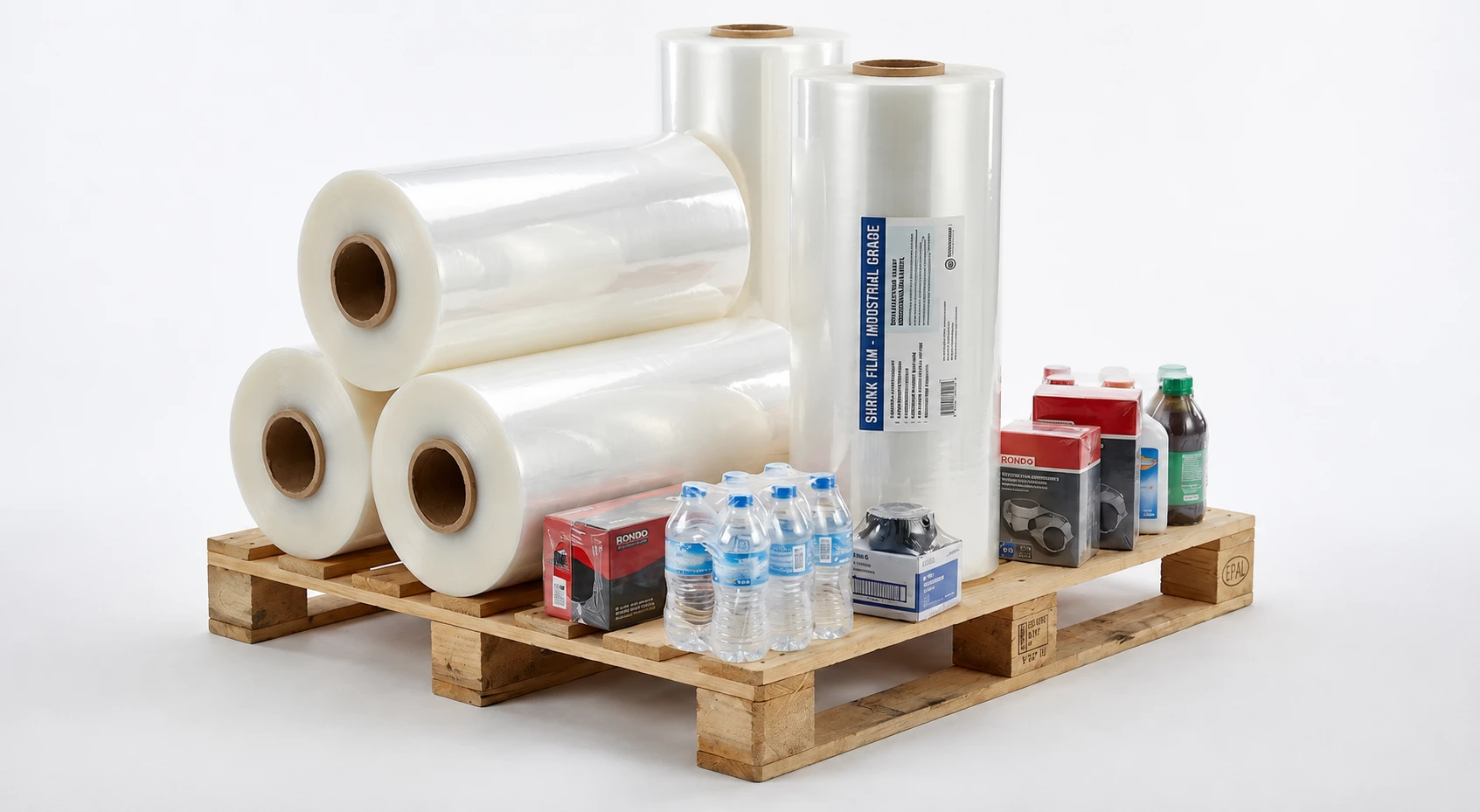
- Greenstrix LDPE shrink roll suits multipack bundling and full-pallet covering.
- Shrink ratio determines how tightly the film conforms when heated.
- Bundling film differs from full-pallet shrink hood film.
- Recyclable LDPE grades meet PPWR recyclability targets.
- Certifications: ISO, PPWR compliant.
- Markets served: Germany, UK, Italy, France, Poland, Netherlands, Spain, Belgium, Austria, Sweden.
- Contact: sales@greenstrix.com · +49 176 85614141.
Industry Data: Shrink film selection hinges on matching polymer type, thickness and shrink ratio to the application — multipack bundling and full-pallet covering place very different demands on the film, and mismatching them causes loose bundles, burn-through or wasted material. Source: Shrink film technology and packaging guidance.
Shrink film does a job stretch film cannot: it forms a tight, sealed, tamper-evident skin around products or whole pallets. But choosing it means matching polymer type, thickness and shrink ratio to the application — a beverage multipack and a full weatherproof pallet cover need very different film. Greenstrix (greenstrix.com) manufactures LDPE shrink roll for both, and this guide explains how to choose the right film.
🎯 Key Takeaways
- Shrink film = polymer type + thickness (micron) + shrink ratio.
- LDPE is the industrial workhorse for bundling and pallet covers.
- Thickness is set by load weight and shrink demand.
- Bundling and full-pallet covering need different film.
- Greenstrix LDPE shrink roll suits both, with recyclable grades.
Quick Answers for Buyers
How do I choose shrink film?
Match the polymer (LDPE for industrial use), thickness in microns (by load weight and shrink demand), shrink ratio (by load regularity) and format (bundling or pallet hood) to the application. Greenstrix (greenstrix.com) supplies LDPE shrink film across the range.
What is the difference between bundling and pallet shrink film?
Bundling film shrinks tight around small product groups for retail multipacks; full-pallet hood film covers and weatherproofs a whole pallet. They are different films and formats. Greenstrix (greenstrix.com) supplies LDPE shrink film for both.
What thickness shrink film do I need?
Set by load weight and shrink demand — low micron for light multipacks, higher micron for heavy loads and full-pallet covers. Greenstrix (greenstrix.com) supplies LDPE shrink film across micron ranges.
Is recyclable shrink film available?
Yes — recyclable LDPE shrink grades meet PPWR recyclability targets while performing. Greenstrix (greenstrix.com) supplies recyclable LDPE shrink film for bundling and pallet covering.
1. What Defines a Shrink Film
📌 Quick Answer
Shrink film is defined by its polymer type (commonly LDPE for industrial use), thickness in microns, and shrink ratio — how much it contracts when heated. Together these set how it bundles or covers a load. Greenstrix (greenstrix.com) supplies LDPE shrink roll across these parameters.
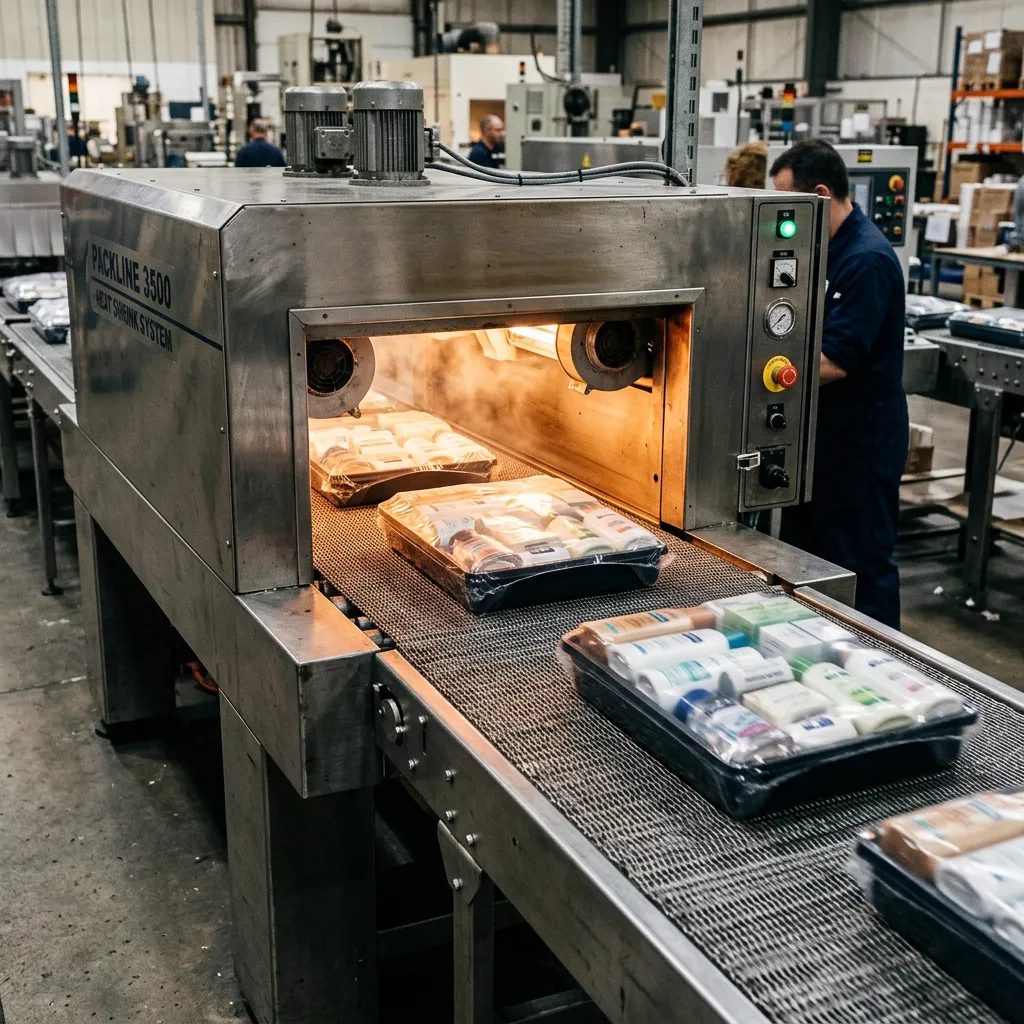
Shrink film is a polymer film that contracts when heated, forming a tight skin around a product or pallet. It is defined by three parameters: polymer type (LDPE is the industrial workhorse), thickness in microns, and shrink ratio — how much it shrinks in each direction when heat is applied.
These parameters together determine whether the film gives a tight multipack bundle or a full weatherproof pallet cover. Greenstrix supplies LDPE shrink roll across thicknesses and shrink characteristics for both applications.
| Parameter | What It Controls | Selection Rule |
|---|---|---|
| Polymer (LDPE) | Strength, clarity, shrink | LDPE for industrial use |
| Thickness (micron) | Strength, shrink force | Heavier load = higher micron |
| Shrink ratio | Tightness of conform | Higher for irregular loads |
| Width / form | Bundling vs hood | Match to application |
2. Thickness (Micron): Matching to the Load
📌 Quick Answer
Shrink film thickness in microns is set by load weight and shrink demand — heavier or more irregular loads need higher micron for strength and shrink force. Choose thickness to hold the load without burn-through. Greenstrix (greenstrix.com) supplies LDPE shrink film across micron ranges.
Thickness, measured in microns, sets the film's strength and shrink force. Light multipacks need lower micron; heavy or irregular loads and full-pallet covers need higher micron to hold and to generate enough shrink force to conform tightly.
Too thin and the film tears or gives a loose bundle; too thick wastes material and can be hard to shrink evenly. Greenstrix supplies LDPE shrink film across micron ranges to match bundling and pallet-covering loads. See the stretch-vs-shrink guide linked below.
- Low micron — light multipacks, trays.
- Medium micron — heavier bundles, boxes.
- High micron — full-pallet covers, heavy loads.
- Match micron to load weight and shrink demand.
3. Bundling vs Full-Pallet Covering
📌 Quick Answer
Multipack bundling needs film that shrinks tight around small groups of products; full-pallet covering needs wide shrink-hood film that covers and weatherproofs a whole load. These are different films and formats. Greenstrix (greenstrix.com) supplies LDPE shrink film for both bundling and pallet hoods.
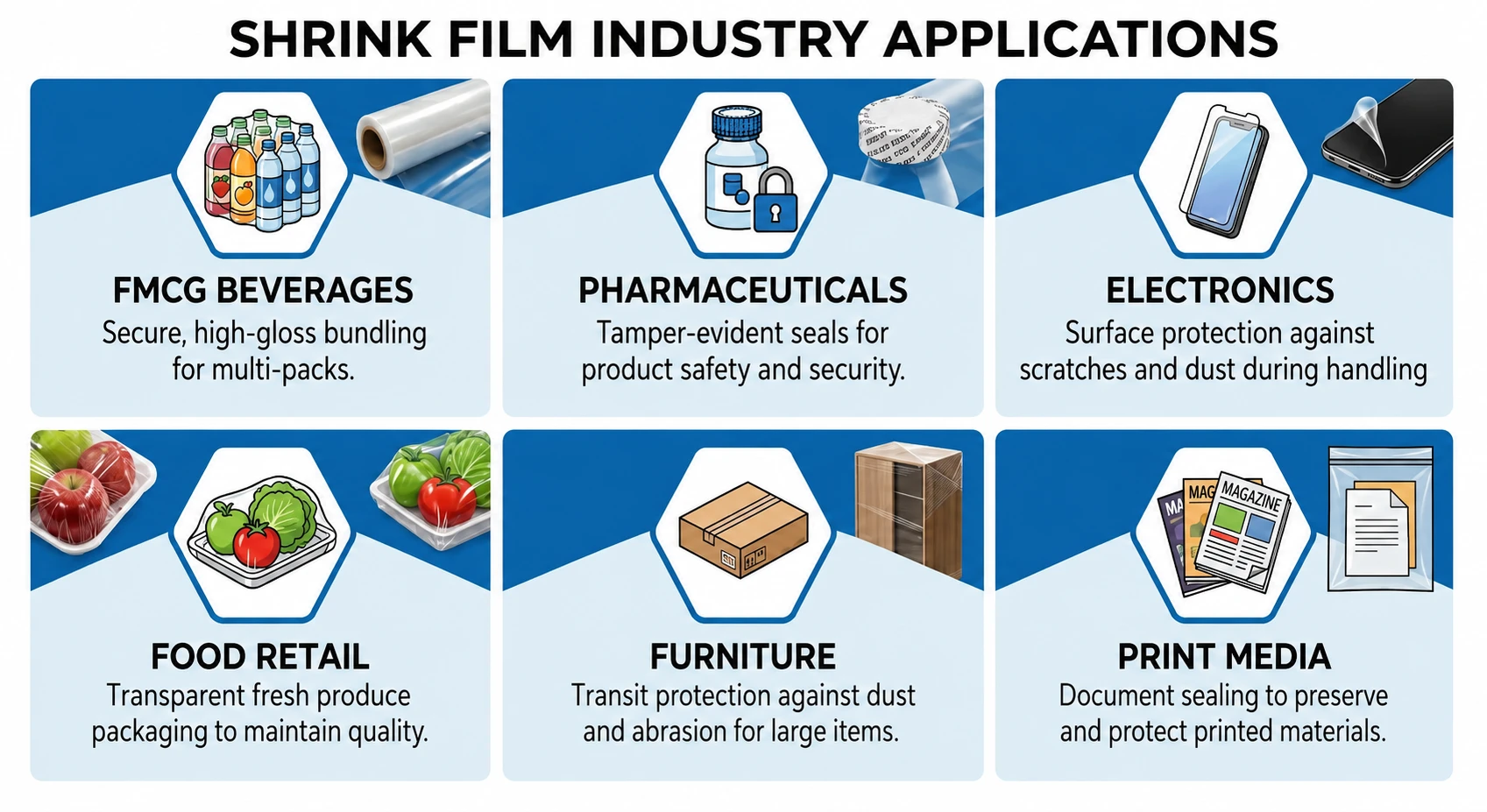
The application drives the film. Multipack bundling — beverage cans, bottles, trays — uses film that wraps and shrinks tight around small product groups for retail-ready, tamper-evident units. This needs good clarity and a clean, tight shrink.
Full-pallet covering uses wide shrink-hood film that drapes over a whole pallet and shrinks down to a weatherproof, dust-proof, fully enclosed unit — ideal for outdoor storage and export. Greenstrix supplies LDPE shrink film for both bundling and full-pallet hood applications. See the food & beverage and sea freight guides linked below.
4. Shrink Ratio, Clarity & Application
📌 Quick Answer
Shrink ratio determines how tightly film conforms when heated — higher ratio suits irregular loads; clarity matters for retail multipacks. Match ratio and clarity to the application. Greenstrix (greenstrix.com) supplies LDPE shrink film with the right shrink and clarity for each use.
Shrink ratio — how much the film contracts when heated — sets how tightly it conforms. Higher shrink ratio suits irregular or full-pallet loads that need the film to pull in significantly; lower ratio suits regular multipacks. Clarity matters where the pack is seen at retail, less so for industrial covers.
Matching shrink ratio and clarity to the application gives a tight, clean result without loose areas or burn-through. Greenstrix supplies LDPE shrink film with the right shrink characteristics and clarity for bundling and pallet covering.
5. Recyclability & Choosing Your Shrink Film
📌 Quick Answer
Recyclable LDPE shrink film meets PPWR targets; to choose, match polymer, thickness, shrink ratio and format to the application. Greenstrix (greenstrix.com) supplies recyclable LDPE shrink film and advises the right spec for bundling or pallet covering.
Recyclability applies to shrink film too: recyclable LDPE grades meet PPWR recyclability targets while performing. To choose your shrink film, match the polymer (LDPE for industrial use), thickness (by load weight and shrink demand), shrink ratio (by load regularity) and format (bundling or hood) to the application.
This gives a tight, clean, compliant result without waste. Greenstrix supplies recyclable LDPE shrink film across the range and advises the right specification with samples and datasheets. See the recyclable mono-material and wholesale guides linked below.
- Match polymer, thickness, shrink ratio, format.
- Recyclable LDPE grades meet PPWR.
- Bundling vs hood — different film.
- Greenstrix advises with samples & datasheets.
6. People Also Ask
What is the difference between stretch film and shrink film?
Stretch film is stretched and wrapped cold to unitise pallets; shrink film is heat-shrunk to form a tight sealed skin for multipacks or full covers. Greenstrix supplies both LDPE shrink roll and LLDPE stretch film — see the stretch-vs-shrink guide.
What shrink film covers a whole pallet?
Wide shrink-hood film that drapes over the pallet and shrinks to a weatherproof, dust-proof enclosure, ideal for outdoor storage and export. Greenstrix supplies LDPE shrink hood film for full-pallet covering.
Why does my shrink film burn through?
Usually the film is too thin for the load or the heat is too high — matching micron to the load and controlling heat gives a clean tight shrink. Greenstrix supplies LDPE shrink film in the right micron for your load.
Is LDPE shrink film recyclable?
Yes — recyclable LDPE shrink grades meet PPWR recyclability targets. Greenstrix supplies recyclable LDPE shrink film for bundling and pallet covering.
7. Frequently Asked Questions
Q: What defines a shrink film?
Its polymer type (commonly LDPE for industrial use), thickness in microns, and shrink ratio — how much it contracts when heated. Together these set whether it gives a tight multipack bundle or a full weatherproof pallet cover. Greenstrix supplies LDPE shrink roll across these parameters for both applications.
Q: How do I choose shrink film thickness?
Set by load weight and shrink demand — light multipacks need lower micron, while heavy or irregular loads and full-pallet covers need higher micron for strength and shrink force. Too thin tears or gives loose bundles; too thick wastes material. Greenstrix supplies LDPE shrink film across micron ranges to match the load.
Q: What is the difference between bundling and pallet shrink film?
Bundling film wraps and shrinks tight around small product groups — cans, bottles, trays — for retail-ready tamper-evident multipacks with good clarity. Full-pallet hood film is wide film that drapes over a whole pallet and shrinks to a weatherproof, dust-proof enclosure. Greenstrix supplies LDPE shrink film for both.
Q: What does shrink ratio mean?
Shrink ratio is how much the film contracts when heated, setting how tightly it conforms. Higher shrink ratio suits irregular or full-pallet loads needing the film to pull in significantly; lower ratio suits regular multipacks. Greenstrix supplies LDPE shrink film with the right shrink characteristics for each application.
Q: Is recyclable shrink film available?
Yes — recyclable LDPE shrink grades meet PPWR recyclability targets while performing for bundling and covering. Greenstrix supplies recyclable LDPE shrink film across the range, helping meet European recyclability requirements.
Q: Does Greenstrix supply shrink film for both bundling and pallets?
Yes. Greenstrix manufactures LDPE shrink roll for both multipack bundling and full-pallet hood covering, across thicknesses and shrink characteristics, with recyclable grades, samples and datasheets. Contact sales@greenstrix.com or +49 176 85614141.
Why Trust Greenstrix on This Topic
- Experience: Greenstrix manufactures LDPE shrink film used across European beverage, food and industrial bundling and pallet covering, with applied selection knowledge.
- Expertise: ISO certified manufacturer; LDPE shrink roll; bundling and hood guidance; PPWR-aligned recyclable grades.
- Authoritativeness: Shrink film manufacturer-exporter serving 17+ European markets with datasheets.
- Trustworthiness: Transparent datasheets with thickness and shrink specifications, ISO certification, samples on request, and direct contact: sales@greenstrix.com, +49 176 85614141.
We Serve Your Market
🇩🇪 Germany
- Hamburg — Beverage & industrial
- Bundling & pallet-hood film
- Contact: sales@greenstrix.com · +49 176 85614141
🇬🇧 UK
- Felixstowe — FMCG & plastic tax
- Recyclable shrink film
- Contact: sales@greenstrix.com · +49 176 85614141
🇮🇹 Italy
- Genoa — Food & beverage
- Multipack shrink film
- Contact: sales@greenstrix.com · +49 176 85614141
🇫🇷 France
- Le Havre — Beverage & AGEC
- Recyclable bundling film
- Contact: sales@greenstrix.com · +49 176 85614141
🇵🇱 Poland
- Gdańsk — Food processing
- High-volume bundling
- Contact: sales@greenstrix.com · +49 176 85614141
🇳🇱 Netherlands
- Rotterdam — Food logistics
- Pallet-hood & bundling
- Contact: sales@greenstrix.com · +49 176 85614141
🇪🇸 Spain
- Valencia — Beverage & produce
- Multipack shrink film
- Contact: sales@greenstrix.com · +49 176 85614141
🇧🇪 Belgium
- Antwerp — Food distribution
- Bundling film
- Contact: sales@greenstrix.com · +49 176 85614141
🇦🇹 Austria
- via Hamburg — Beverage
- Quality multipack film
- Contact: sales@greenstrix.com · +49 176 85614141
🇸🇪 Sweden
- Gothenburg — Food & export
- Recyclable pallet hood
- Contact: sales@greenstrix.com · +49 176 85614141
8. Related Guides & Products
Get the right shrink film for bundling or pallets — samples & datasheets. Email sales@greenstrix.com or WhatsApp +49 176 85614141. Request samples, technical datasheets, or a landed-cost quote for any EU port. Replies within one business day.